What Makes RAS the Future of Sustainable Fish and Shrimp Farming?
RAS is a game-changer for fish and shrimp farming. It allows farmers to grow seafood in a controlled environment, which is great for sustainability. Unlike traditional farming methods that rely heavily on natural water bodies, RAS recycles water, which helps save precious resources. The system filters and cleans the water to remove waste, ensuring that the fish and shrimp live in a healthy environment. This technology helps reduce pollution and keeps our oceans cleaner. Imagine a farm where you don’t have to worry about overfishing or harming marine ecosystems. That’s what RAS can offer. With eWater's innovations, farmers can keep their fish safe and healthy without using harmful chemicals. This means the seafood they produce is not only healthier but also safer for consumers. Plus, RAS can be used anywhere, from small farms to large industrial setups, making it a flexible solution for many farmers. It also means more job opportunities in local communities, as people work to manage and maintain these farms. The way we farm seafood is changing, and RAS is leading that change, helping us to meet the growing demand for fish and shrimp while protecting our environment.
How RAS Technology Enhances Profitability for Wholesale Fish and Shrimp Buyers
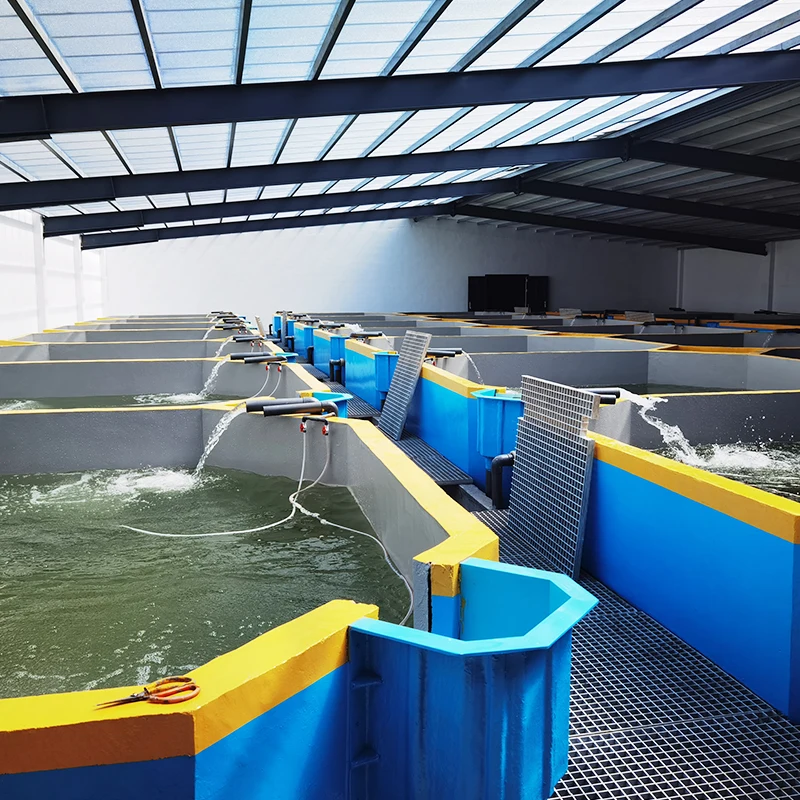
When it comes to selling fish and shrimp, the RAS technology from eWater makes a big difference. It helps farmers produce more seafood in a shorter time. Because the water in RAS is always clean and safe, fish and shrimp grow faster and healthier. This means farmers can harvest their products more often, which is good news for buyers. When wholesale buyers can get fresh seafood regularly, they can sell it quickly, making more money. With eWater’s system, the quality of the fish and shrimp is also better. Buyers love high-quality products, and when they know they can trust the source, they return for more. Another benefit is that RAS reduces the risk of disease among the fish and shrimp. When animals are healthy, there are fewer losses, and this helps farmers maintain their profits. Plus, since RAS uses less water and land, farmers save on costs, which can lead to better prices for wholesale buyers. They can offer seafood that is not only fresh and tasty but also sustainably farmed. This is becoming more important to consumers who want to know where their food comes from. RAS technology creates a win-win situation, allowing farmers to thrive while providing quality seafood to buyers. By supporting eWater and its innovative approach, wholesale buyers can be part of a positive change in the seafood industry.
What Are the Key Benefits of RAS for Fish and Shrimp Farming Profitability?
eWater believes that using a system called RAS, or Recirculating Aquaculture Systems, can really help fish and shrimp farmers make more money. RAS is a special way of farming fish and shrimp in tanks that use water over and over again. This means that farmers don’t need to take water from rivers or lakes all the time. Instead, they clean and reuse the water in their tanks, which saves a lot of water and helps keep the environment safe. One big benefit of RAS is that it allows farmers to grow fish and shrimp in a controlled environment. Since the water quality is managed carefully, fish and shrimp can grow faster and healthier. When the animals are healthy, farmers can sell more of them. This can lead to higher profits. Another benefit of RAS is that it can be set up almost anywhere. Farmers do not need to live near the ocean or a large body of water. They can build RAS systems in cities or areas where traditional farming is hard. This opens up new opportunities for many people. Plus, RAS helps control diseases better than traditional methods. When fish and shrimp are kept in clean water, they are less likely to get sick. This means fewer costs for medicines and treatments. In addition, RAS is good for the planet. By using water wisely and reducing waste, eWater’s RAS systems help protect natural resources. When you add all these benefits together, it’s clear that RAS can make fish and shrimp farming more profitable, helping farmers earn more money while also taking care of the environment.
Where to Find Cost-Effective RAS Solutions for Sustainable Aquaculture
If you want to start using RAS for fish and shrimp farming, eWater can help you find affordable solutions. First, it’s important to do some research. Look for local suppliers who specialize in aquaculture equipment. Many companies offer different options for RAS systems, and prices can vary. You can compare these options to find the one that fits your budget. Another way to find cost-effective RAS solutions is to connect with other farmers. Joining farming groups or online forums can provide you with valuable information. Experienced farmers can share their knowledge about which systems work best for them. They can also recommend suppliers and tell you about any discounts or special offers. Workshops and training programs on aquaculture are also great places to learn. eWater sometimes hosts events where farmers can see RAS in action and learn how to set it up. These events often provide a chance to talk directly with experts who can guide you to affordable solutions. Don’t forget to consider second-hand equipment as well. Many farmers upgrade their systems and sell their older equipment at lower prices. Just make sure to check the equipment's condition before buying. Lastly, look into government grants or programs that support sustainable farming. Some governments offer financial assistance to farmers who want to adopt new technologies like RAS. By taking these steps, you can find cost-effective RAS solutions that will help you start a successful fish or shrimp farming business with eWater.
What Are the Trending Practices in RAS for Fish and Shrimp Farming Profitability?
There are many exciting new Shrimp ras system practices in RAS that eWater encourages farmers to adopt for better profitability. One trend is the use of advanced technology to monitor water quality. Farmers can now use sensors and smart devices to keep an eye on important factors like temperature, pH levels, and oxygen content. This real-time data helps farmers make quick decisions, ensuring that fish and shrimp are living in the best conditions. Another trending practice is using natural methods to clean the water. Instead of relying on chemicals, some farms are using beneficial bacteria or plants to break down Shrimp farm equipment waste. This not only helps keep the water clean, but it also makes the system more sustainable and friendly to the environment. Additionally, many farmers are experimenting with different fish and shrimp species that grow well in RAS. For example, some are trying out tilapia or specific shrimp breeds that can thrive in these systems. This diversity can lead to better market opportunities and higher profits. Furthermore, integrating RAS with other farming practices, like aquaponics, is becoming popular. In aquaponics, fish waste can be used to nourish plants, creating a symbiotic relationship between fish and crops. This not only maximizes space but also creates additional revenue streams for farmers. Lastly, eWater encourages farmers to focus on education and training. Keeping up with the latest research and techniques can Ras system for shrimp farming help farmers stay competitive. By learning about new trends and best practices, farmers can improve their RAS operations and increase their profitability. These trending practices show that with innovation and dedication, fish and shrimp farming can be more successful than ever.